

Wealthy Elites are Going Big to Help “De-extinct” Wildlife
For most of the 20th century, conservation followed a familiar path. Governments led the charge, backed by treaties and public funding. National parks expanded, endangered species lists grew, and slow policy work shaped the future of wildlife protection. That model still exists, but it no longer stands alone.
Billionaires, like Jeff Bezos, and private foundations now fund massive conservation efforts across the globe. Their influence stretches from ocean protection to ambitious plans that aim to revive species long gone from Earth.
The Rise of Billionaire Conservation
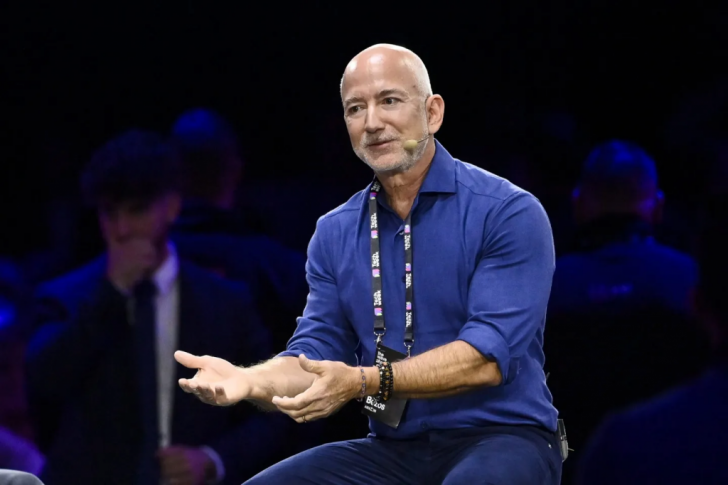
The News / Wealthy donors now fund projects that governments once handled alone, often stepping in where public budgets fall short.
Their money fuels land purchases, wildlife corridors, and large-scale ecosystem restoration.
This shift brings speed and flexibility that public systems struggle to match. A foundation can approve funding in weeks, while governments may take years to move through legal and political steps. That difference can decide whether a forest gets saved or cleared for development.
Private donors also bring a different mindset to conservation work. They often support bold ideas that public agencies avoid due to risk. This includes new technologies, experimental restoration methods, and now, the growing field of de-extinction science.
De-Extinction Moves From Fiction to Funding
Wealthy backers fund biotech companies that aim to bring back extinct species using genetic engineering. The woolly mammoth, the dodo, and the Tasmanian tiger all sit on the shortlist.
Scientists plan to use preserved DNA and gene editing tools to recreate animals that resemble extinct species. The goal goes beyond curiosity, as some researchers argue that these animals could restore lost ecosystems. A mammoth-like creature, for example, might help rebuild Arctic grasslands.
Still, the science remains uncertain and full of challenges. Recreating a species is not as simple as copying DNA, since behavior, habitat, and survival skills cannot be coded easily. Even if successful, these animals would enter a world very different from the one they left.
Oceans, Forests, and Fast Money

Print / Pexels / Large marine conservation projects now depend heavily on private money. Recent grants support protected ocean zones that stretch across multiple countries and safeguard key migration routes.
These areas protect species that rely on open water for survival. Hammerhead sharks, sea turtles, and tuna all depend on healthy marine ecosystems. Strong protection helps maintain breeding grounds and feeding areas that keep populations stable.
On land, private funding has reshaped entire regions. In South America, conservation projects backed by wealthy donors have turned vast areas into national parks. These efforts protect forests, wetlands, and wildlife that might otherwise face destruction.
The scale of these projects shows what long-term funding can achieve. When donors commit resources over decades, they can restore ecosystems that once seemed beyond saving. That kind of patience rarely fits within political timelines.
Private Money Moves Faster
Government programs move carefully, and that caution has a purpose. Public funding requires oversight, transparency, and long approval processes. These steps protect against misuse but often slow urgent action.
Private donors face fewer restrictions, which allows them to act quickly. If a critical habitat becomes available for purchase, a foundation can secure it before developers step in. That speed often makes the difference between protection and loss.
Philanthropy also supports ideas that might fail, and that risk tolerance matters. New conservation tools often need testing before they prove useful. Private funding allows those early experiments to happen without political pressure.
Global conservation faces a massive financial challenge that governments cannot solve alone. Experts estimate that hundreds of billions of dollars are needed each year to protect biodiversity. Public budgets simply do not stretch that far.
More in Top Bank Accounts
-
`
 New Crowdfunding Campaign Aims to Bring ‘Reliable Ice’ Back to Escanaba
Escanaba residents could soon see the return of outdoor skating at Ludington Park, and this time, warm winters will not get...
May 17, 2026 -
`
 Russian Billionaires Wealth Surge Despite Sanctions, New Analysis Shows
Sanctions were meant to squeeze Russia’s elite, but the latest numbers tell a different story. According to Forbes Russia, the total...
May 10, 2026 -
`
 Americans Plan to Save Their 2026 Tax Refunds, but Most Will Stash the Cash in Low-Interest Accounts: Report
Americans are walking into the 2026 tax season with a clear goal. They want to save more money, and they see...
May 1, 2026 -
`
 “Time is the Real Flex,” and ‘Luxury Wellness’ Means Slowing Down on Purpose, Says Jonathan Boynton
The idea of luxury has changed, and Jonathan Boynton-Lee is calling it out in plain terms. In a recent interview with...
April 25, 2026 -
`
 The Decline of Startup Funding. What’s Driving It?
The Regulation Crowdfunding market just hit a rough patch, and the numbers tell a clear story. In Q1 2026, total capital...
April 19, 2026 -
`
 Having No Savings Is Actually More Dangerous Than Carrying Debt, Here’s Why
Most people assume debt is the worst financial position to be in. That belief feels logical because debt comes with interest,...
April 5, 2026 -
`
 5 Practical Ways to Verify GoFundMe Legitimacy
Online fundraisers help people during medical emergencies, disasters, and personal crises. Millions of donors give money every year through GoFundMe because...
March 25, 2026 -
`
 Indian Tycoon Nirmal Jain Places His Biggest Bet on the Country’s Wealth Management Boom
India’s wealth market is heating up, and billionaire investor Nirmal Jain wants a bigger share of it. The founder of IIFL...
March 19, 2026 -
`
 Alphabet Secures $20 Billion in Debt With Rare 100-Year Bond to Fund AI Infrastructure
Alphabet just made a bold financial move that caught the attention of Wall Street and the tech industry. Google’s parent company...
March 11, 2026
More From Refinance Gold
-
 Prada Just Opened an 8-Floor Milan Wonderland With a Secret Underground Passage
Prada has turned its historic Milan home into something much bigger than a luxury store. The newly opened Prada Galleria stretches across...
Luxury & Life StyleOctober 10, 2026 -
 Can ‘Average’ Millennials Retire As Millionaires?
A million-dollar retirement account can sound wildly ambitious when your current 401(k) balance has only five digits. For many millennials, though,...
Top Bank AccountsSeptember 26, 2026 -
 Why the New Generation of Renters Is Ditching Homeownership and Investing in the Stock Market
For generations, buying a home marked a major step toward financial security in America. Younger Americans are starting to question that...
Investments & SavingsSeptember 19, 2026 -
 This Rare, Two-Home Oceanfront Estate in Maui Hits the Market for $45 Million
Finding a private oceanfront home on Maui already takes serious money and patience. Finding two neighboring homes that form one sprawling...
Luxury & Life StyleSeptember 12, 2026 -
 Why Genki’s Crowdfunded Genki Manta Is Its “Most Ambitious Product” Ever
Genki is taking a much bigger swing at gaming hardware with the Genki Manta, a feature-packed pro controller now seeking funding...
Crowd FundingSeptember 4, 2026
You must be logged in to post a comment Login