
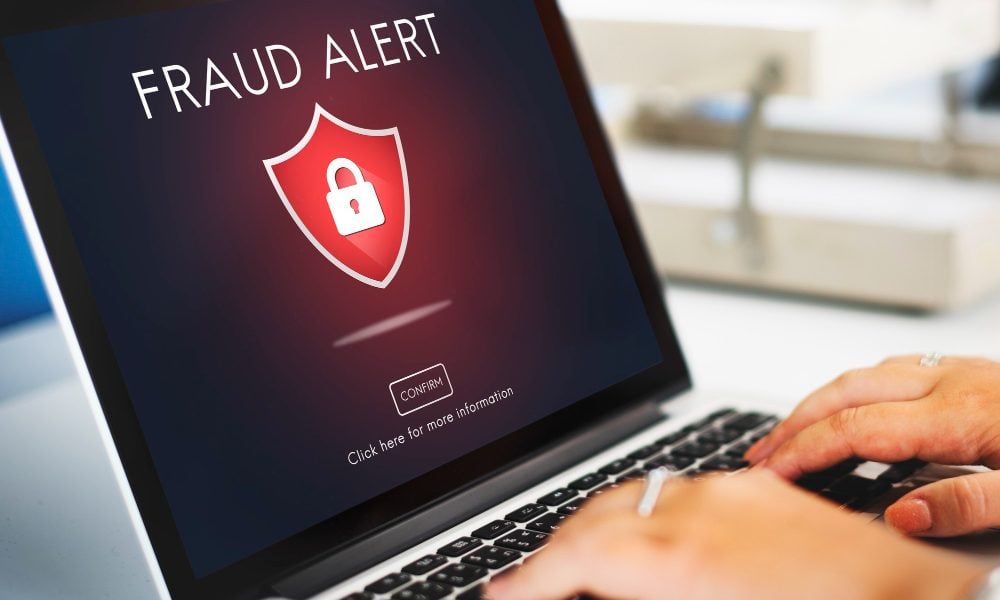
How Bank Impersonation Scams Are Stealing Hundreds of Millions of Dollars Every Year
The FBI has raised serious concerns about a bank impersonation scam that is accelerating faster than expected. Investigators report that fraudsters are mimicking trusted banks, luring people into sharing account credentials and then quickly siphoning off funds. This tactic has proven devastating across age groups. In the first nine months of 2025 alone, reported losses surpassed $262 million, affecting more than 5,100 individuals.
The agency says scammers have become more polished and more aggressive. They employ sharp tactics, swift pressure, and convincing stories to persuade people to hand over one-time passcodes or login information. Once they gain access to a bank account, they quickly transfer the money out.
Many transfers route through crypto-linked accounts, making it nearly impossible to track the cash. People often do not realize what happened until they are locked out of their own accounts.
How the Scam Hooks Victims

Olly / Pexels / At the center of this fraud is “social engineering,” which simply means tricking someone into giving access.
The most common method starts with a call, text, or email from someone claiming to be your bank. They sound helpful and worried. They say your account looks compromised, or a suspicious transaction has occurred. They push you to act fast. In that rush, many people share usernames, passwords, and even those “never share this code” text messages.
Scammers then log in, reset everything, and shut you out of your own money.
A second method utilizes fake websites that appear identical to genuine bank pages. Criminals run ads or rig search results so their fake sites show up before the real ones. When someone clicks the ad and types in their login, they hand their information straight to the scammers. This trick works because people trust search results and do not expect a polished fake site to be so easy to fall for.
In a more twisted version, scammers pretend to be law enforcement. The first caller claims a suspicious purchase was made in your name. Then another caller steps in, acting like an officer who wants to “secure” your money. They build fear step by step until the victim shares login details or transfers funds to a so-called safe account.
None of it is real, and once the scammers have access, they drain the account quickly.
Why These Attacks Are Growing
Criminals rely on speed and pressure. They know most people panic when they hear their savings might be at risk. When panic kicks in, critical thinking slips. Even people who consider themselves careful fall for these tactics because the scammers sound trained, calm, and official. Many victims later say the callers knew personal details and used them to appear legitimate.

Olly / Pexels / Never share a password, passcode, or MFA code with anyone who contacts you. A real bank will not ask for it under any circumstances.
Another reason these scams spread so quickly is that digital tools have made it easier to copy real bank pages and spoof phone numbers. A call can appear to come from your bank even when it does not. A website can look pixel-perfect even though it is fake.
The growth of crypto wallets also plays a role. Once scammers take your money, they move it through layers of accounts and into crypto. That makes the trail hard to follow. By the time you notice what happened, the funds are gone, and recovery becomes extremely difficult.
How to Protect Your Account
If someone pressures you, consider it a clear sign of potential fraud. Hang up and call the number on the back of your card. That one step alone stops most scams before they start.
It also helps to avoid search engines when you log in to your bank. Criminals poison search results with fake websites, so typing your bank’s address directly or using a saved bookmark is much safer. A direct path keeps you in control and keeps scammers from intercepting your login.
More in Top Bank Accounts
-
`
 Young Couple’s Love for Thai Hotels Turns Their Two-bedroom Condo Into Quiet Luxury & Warm Minimalism
Most people return from a luxury hotel with photos and souvenirs. One young Singapore couple came home with a completely new...
May 24, 2026 -
`
 New Crowdfunding Campaign Aims to Bring ‘Reliable Ice’ Back to Escanaba
Escanaba residents could soon see the return of outdoor skating at Ludington Park, and this time, warm winters will not get...
May 17, 2026 -
`
 Russian Billionaires Wealth Surge Despite Sanctions, New Analysis Shows
Sanctions were meant to squeeze Russia’s elite, but the latest numbers tell a different story. According to Forbes Russia, the total...
May 10, 2026 -
`
 Americans Plan to Save Their 2026 Tax Refunds, but Most Will Stash the Cash in Low-Interest Accounts: Report
Americans are walking into the 2026 tax season with a clear goal. They want to save more money, and they see...
May 1, 2026 -
`
 “Time is the Real Flex,” and ‘Luxury Wellness’ Means Slowing Down on Purpose, Says Jonathan Boynton
The idea of luxury has changed, and Jonathan Boynton-Lee is calling it out in plain terms. In a recent interview with...
April 25, 2026 -
`
 The Decline of Startup Funding. What’s Driving It?
The Regulation Crowdfunding market just hit a rough patch, and the numbers tell a clear story. In Q1 2026, total capital...
April 19, 2026 -
`
 Wealthy Elites are Going Big to Help “De-extinct” Wildlife
For most of the 20th century, conservation followed a familiar path. Governments led the charge, backed by treaties and public funding....
April 12, 2026 -
`
 Having No Savings Is Actually More Dangerous Than Carrying Debt, Here’s Why
Most people assume debt is the worst financial position to be in. That belief feels logical because debt comes with interest,...
April 5, 2026 -
`
 5 Practical Ways to Verify GoFundMe Legitimacy
Online fundraisers help people during medical emergencies, disasters, and personal crises. Millions of donors give money every year through GoFundMe because...
March 25, 2026
More From Refinance Gold
-
 Wife Films Husband Answering Money Questions and Netizens Love It!
Finance videos on social media usually follow a familiar formula. There are charts, dramatic warnings, expensive microphones, bold claims, and creators...
Investments & SavingsOctober 16, 2026 -
 Prada Just Opened an 8-Floor Milan Wonderland With a Secret Underground Passage
Prada has turned its historic Milan home into something much bigger than a luxury store. The newly opened Prada Galleria stretches across...
Luxury & Life StyleOctober 10, 2026 -
 Can ‘Average’ Millennials Retire As Millionaires?
A million-dollar retirement account can sound wildly ambitious when your current 401(k) balance has only five digits. For many millennials, though,...
Top Bank AccountsSeptember 26, 2026 -
 Why the New Generation of Renters Is Ditching Homeownership and Investing in the Stock Market
For generations, buying a home marked a major step toward financial security in America. Younger Americans are starting to question that...
Investments & SavingsSeptember 19, 2026 -
 This Rare, Two-Home Oceanfront Estate in Maui Hits the Market for $45 Million
Finding a private oceanfront home on Maui already takes serious money and patience. Finding two neighboring homes that form one sprawling...
Luxury & Life StyleSeptember 12, 2026
You must be logged in to post a comment Login