
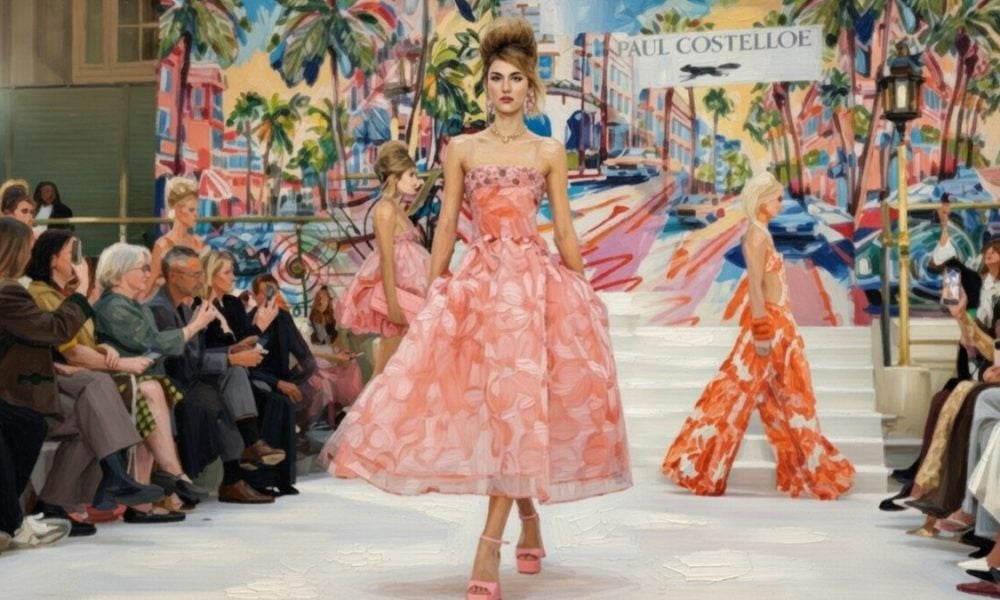
London Designers Embrace Everyday Luxury and Lifestyle
Design coming out of London has started to feel more grounded lately. Rather than chasing dreamy concepts, many creatives are focusing on reality. Fashion and interiors alike are being shaped by how people actually live in the city—busy schedules, compact homes, and constant movement.
Luxury used to project a sense of distance, as if it belonged to a different world. Now it feels closer and more personal. Designers are finding ways to make beautiful things that also make sense in daily life. From London Fashion Week collections to elegant townhouse interiors, practicality is influencing the overall mood.
Fashion That Works for Real Life

Tribe Tee / IG / Designers recognize that modern wardrobes need versatility. Shoppers want pieces they will reach for again and again, especially when spending is more considered.
Roksanda Ilinčić has pointed out a clear pattern in buying habits. Customers either gravitate toward dramatic statement pieces or dependable everyday staples. The middle category no longer attracts the same attention. Her response was to design sculptural jackets and refined daywear that look striking but remain comfortable.
The clothes carry a sense of drama without feeling impractical. They work for meetings, dinners, or the unpredictable pace of family life. That balance mirrors how many women approach dressing now: strong visual impact with minimal effort.
Julien Macdonald took an even bolder step. He reduced ready-to-wear prices from £8,000 to £40,000, about $10,200 to $51,000, down to between £800 and £4,500, roughly $1,020 to $5,740.
That change reshaped his brand overnight. Clients who once admired from afar can now buy into the glamour. The sparkle remains, yet the price feels more grounded.
Harris Reed is also adjusting his approach. Known for dramatic silhouettes, he now creates fluid bridal pieces that allow movement. Brides want comfort as much as drama. His designs still command attention. They simply allow the wearer to breathe, walk, and celebrate without restriction.
Tolu Coker recently partnered with Topshop on a collection inspired by social mobility and the realities of city life. Her designs place strong emphasis on longevity. Instead of seasonal novelty, the pieces encourage long-term ownership and circular thinking. They are meant to be worn repeatedly, repaired when necessary, and kept in rotation.
The show drew interest beyond the fashion industry itself. King Charles III attended, highlighting how fashion increasingly intersects with cultural discussion. London designers today are influencing conversations that extend well beyond clothing.
Building a World Beyond the Runway
Modern fashion brands rarely stop at clothing. Designers are building full creative worlds that express their values and aesthetics. This lifestyle-driven approach feels both intimate and commercially smart. Harris Reed recently moved into interior design through a collaboration with wallpaper brand Fromental. Many of his clients had already expressed interest in seeing his signature patterns inside their homes.
That expansion naturally blurs the line between fashion and interiors. It also provides brands with new revenue opportunities, especially during unpredictable economic periods.
Roksanda Ilinčić approached the season differently by skipping the typical runway format. Instead, she launched a three-floor pop-up space on Sloane Street. The environment blended clothing with art, books, flowers, and a bar, inviting visitors to step directly into the designer’s creative world.
This type of immersive retail experience offers something a short runway show cannot. Guests have time to explore and connect with the brand. The British Fashion Council has also begun adapting its formats, allowing designers to present collections through installations, dinners, or lookbooks when traditional shows are not ideal.
Interiors Reflect the Same Shift

GTN / Interior design is moving in a similar direction, favoring lived-in comfort over perfectly staged luxury.
Rose Uniacke advocates what she describes as a democratic philosophy of design. While her clients include Victoria Beckham and David Beckham, she prioritizes practicality above spectacle. Her focus often rests on small everyday details—how a cupboard functions or how tools feel when used.
Technology integrates quietly within her interiors. Nothing appears overly precious or fragile. The result is a form of luxury that supports everyday living rather than interrupting it.
Fashion entrepreneurs are bringing this same thinking into their own homes. Olivia Von Halle turned her London townhouse into what she calls a glamorous party house, using deep colour drenching to create rich and inviting rooms.
More in Luxury & Life Style
-
`
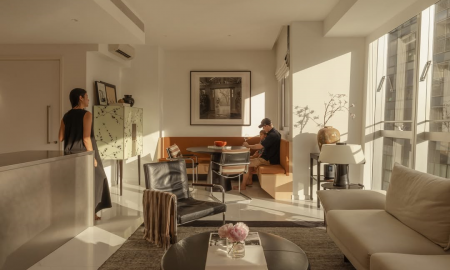 Young Couple’s Love for Thai Hotels Turns Their Two-bedroom Condo Into Quiet Luxury & Warm Minimalism
Most people return from a luxury hotel with photos and souvenirs. One young Singapore couple came home with a completely new...
May 24, 2026 -
`
 New Crowdfunding Campaign Aims to Bring ‘Reliable Ice’ Back to Escanaba
Escanaba residents could soon see the return of outdoor skating at Ludington Park, and this time, warm winters will not get...
May 17, 2026 -
`
 Russian Billionaires Wealth Surge Despite Sanctions, New Analysis Shows
Sanctions were meant to squeeze Russia’s elite, but the latest numbers tell a different story. According to Forbes Russia, the total...
May 10, 2026 -
`
 Americans Plan to Save Their 2026 Tax Refunds, but Most Will Stash the Cash in Low-Interest Accounts: Report
Americans are walking into the 2026 tax season with a clear goal. They want to save more money, and they see...
May 1, 2026 -
`
 “Time is the Real Flex,” and ‘Luxury Wellness’ Means Slowing Down on Purpose, Says Jonathan Boynton
The idea of luxury has changed, and Jonathan Boynton-Lee is calling it out in plain terms. In a recent interview with...
April 25, 2026 -
`
 The Decline of Startup Funding. What’s Driving It?
The Regulation Crowdfunding market just hit a rough patch, and the numbers tell a clear story. In Q1 2026, total capital...
April 19, 2026 -
`
 Wealthy Elites are Going Big to Help “De-extinct” Wildlife
For most of the 20th century, conservation followed a familiar path. Governments led the charge, backed by treaties and public funding....
April 12, 2026 -
`
 Having No Savings Is Actually More Dangerous Than Carrying Debt, Here’s Why
Most people assume debt is the worst financial position to be in. That belief feels logical because debt comes with interest,...
April 5, 2026 -
`
 5 Practical Ways to Verify GoFundMe Legitimacy
Online fundraisers help people during medical emergencies, disasters, and personal crises. Millions of donors give money every year through GoFundMe because...
March 25, 2026
More From Refinance Gold
-
 Wife Films Husband Answering Money Questions and Netizens Love It!
Finance videos on social media usually follow a familiar formula. There are charts, dramatic warnings, expensive microphones, bold claims, and creators...
Investments & SavingsOctober 16, 2026 -
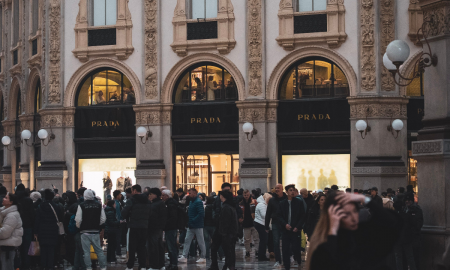 Prada Just Opened an 8-Floor Milan Wonderland With a Secret Underground Passage
Prada has turned its historic Milan home into something much bigger than a luxury store. The newly opened Prada Galleria stretches across...
Luxury & Life StyleOctober 10, 2026 -
 Can ‘Average’ Millennials Retire As Millionaires?
A million-dollar retirement account can sound wildly ambitious when your current 401(k) balance has only five digits. For many millennials, though,...
Top Bank AccountsSeptember 26, 2026 -
 Why the New Generation of Renters Is Ditching Homeownership and Investing in the Stock Market
For generations, buying a home marked a major step toward financial security in America. Younger Americans are starting to question that...
Investments & SavingsSeptember 19, 2026 -
 This Rare, Two-Home Oceanfront Estate in Maui Hits the Market for $45 Million
Finding a private oceanfront home on Maui already takes serious money and patience. Finding two neighboring homes that form one sprawling...
Luxury & Life StyleSeptember 12, 2026
You must be logged in to post a comment Login