
Americans Plan to Save Their 2026 Tax Refunds, but Most Will Stash the Cash in Low-Interest Accounts: Report
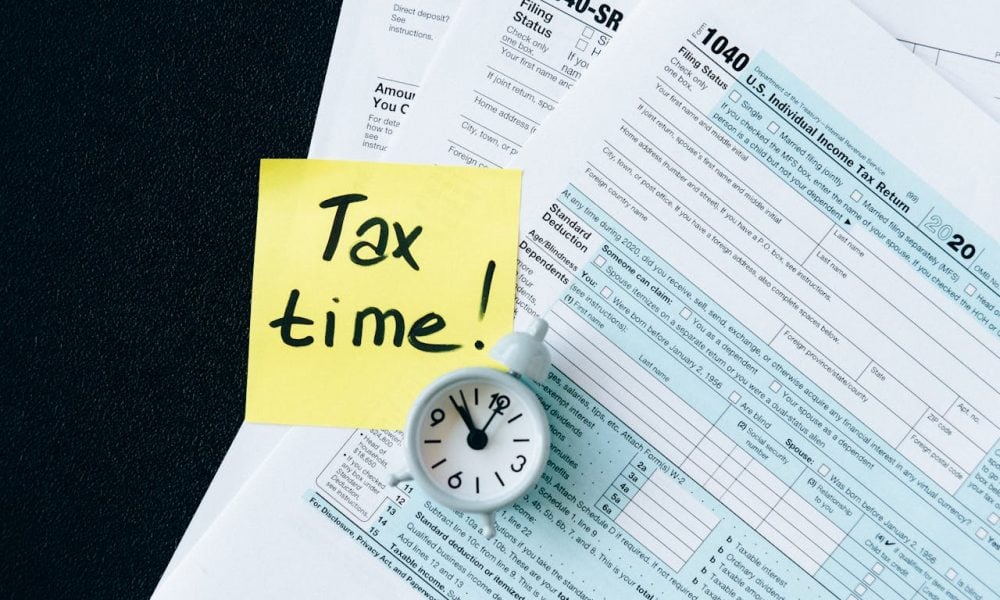
Americans are walking into the 2026 tax season with a clear goal. They want to save more money, and they see their tax refunds as the perfect chance to do it. That sounds like a smart move, and on the surface, it is.
But there is a problem hiding in plain sight. Most people plan to stash that money in places that barely earn anything. That one decision could quietly cost them hundreds or even thousands over time.
A strong wave of savings is building across the country. A recent Santander Bank survey found that 76% of consumers say saving more is their top financial priority for the year.
Around 57% of Americans expect to receive extra income this year, and for most, that means a tax refund. Among those expecting a refund, 88% say they plan to save at least part of it. That level of intent shows people are serious about improving their financial situation.
The size of those refunds is adding even more momentum. Thanks to tax law changes in 2025, refunds in 2026 could be up to $1,000 larger than last year. Total payouts may even cross $400 billion, which puts a lot of cash into people’s hands all at once.
Many households are counting on that money. About 85% of people expect refunds of at least $500, and 41% believe they will get $2,000 or more. That kind of lump sum can make a real difference, especially for families trying to build savings or catch up financially.
The Hidden Problem With Where the Money Goes

Karola / Pexels / Around 58% say they will keep their refunds in low or no-interest options like checking accounts, basic savings accounts, or even cash.
Only about 27% plan to use higher-yield options like high-yield savings accounts or CDs. That gap might not seem like a big deal at first, but it adds up quickly. The difference in earnings over time is hard to ignore.
For example, putting an average tax refund into an account earning about 3.50% APY could generate more than $1,500 in interest over three years. That same money in a traditional savings account earning around 0.39% APY would bring in only about $165.
That is nearly a tenfold difference, and it comes down to a single choice. The money itself does not change, but where you put it makes a huge impact. Over longer periods, the gap gets even wider, especially if some of that money goes into investments like the stock market.
Even with strong plans to save, real life often gets in the way. Economic pressure is still a big factor for many households. Rising costs for basics like food and energy are eating into budgets, leaving less room to follow through on savings goals.
A Smarter Way to Make That Refund Work

Dave / Pexels / The good news is that fixing this does not require a complicated strategy. It starts with separating saving from investing and giving each one a clear role.
That small shift can make a big difference over time.
An emergency fund should come first. That money needs to be easy to access and safe, which makes a high-yield savings account a strong choice. It keeps your cash protected while still earning a decent return.
Once that base is covered, extra money can go to work in other ways. Contributing to a 401(k) or an IRA is one of the most effective moves, especially if there is an employer match involved. That is essentially free money added to your savings.
For those already using high-yield accounts, the experience has been positive. More than 90% say these accounts are easy to open and simple to manage. Many also report that the extra interest helps them feel like they are making real progress.
More in Investments & Savings
-
`
 New Crowdfunding Campaign Aims to Bring ‘Reliable Ice’ Back to Escanaba
Escanaba residents could soon see the return of outdoor skating at Ludington Park, and this time, warm winters will not get...
May 17, 2026 -
`
 Russian Billionaires Wealth Surge Despite Sanctions, New Analysis Shows
Sanctions were meant to squeeze Russia’s elite, but the latest numbers tell a different story. According to Forbes Russia, the total...
May 10, 2026 -
`
 “Time is the Real Flex,” and ‘Luxury Wellness’ Means Slowing Down on Purpose, Says Jonathan Boynton
The idea of luxury has changed, and Jonathan Boynton-Lee is calling it out in plain terms. In a recent interview with...
April 25, 2026 -
`
 The Decline of Startup Funding. What’s Driving It?
The Regulation Crowdfunding market just hit a rough patch, and the numbers tell a clear story. In Q1 2026, total capital...
April 19, 2026 -
`
 Wealthy Elites are Going Big to Help “De-extinct” Wildlife
For most of the 20th century, conservation followed a familiar path. Governments led the charge, backed by treaties and public funding....
April 12, 2026 -
`
 Having No Savings Is Actually More Dangerous Than Carrying Debt, Here’s Why
Most people assume debt is the worst financial position to be in. That belief feels logical because debt comes with interest,...
April 5, 2026 -
`
 5 Practical Ways to Verify GoFundMe Legitimacy
Online fundraisers help people during medical emergencies, disasters, and personal crises. Millions of donors give money every year through GoFundMe because...
March 25, 2026 -
`
 Indian Tycoon Nirmal Jain Places His Biggest Bet on the Country’s Wealth Management Boom
India’s wealth market is heating up, and billionaire investor Nirmal Jain wants a bigger share of it. The founder of IIFL...
March 19, 2026 -
`
 Alphabet Secures $20 Billion in Debt With Rare 100-Year Bond to Fund AI Infrastructure
Alphabet just made a bold financial move that caught the attention of Wall Street and the tech industry. Google’s parent company...
March 11, 2026
More From Refinance Gold
-
 Prada Just Opened an 8-Floor Milan Wonderland With a Secret Underground Passage
Prada has turned its historic Milan home into something much bigger than a luxury store. The newly opened Prada Galleria stretches across...
Luxury & Life StyleOctober 10, 2026 -
 Can ‘Average’ Millennials Retire As Millionaires?
A million-dollar retirement account can sound wildly ambitious when your current 401(k) balance has only five digits. For many millennials, though,...
Top Bank AccountsSeptember 26, 2026 -
 Why the New Generation of Renters Is Ditching Homeownership and Investing in the Stock Market
For generations, buying a home marked a major step toward financial security in America. Younger Americans are starting to question that...
Investments & SavingsSeptember 19, 2026 -
 This Rare, Two-Home Oceanfront Estate in Maui Hits the Market for $45 Million
Finding a private oceanfront home on Maui already takes serious money and patience. Finding two neighboring homes that form one sprawling...
Luxury & Life StyleSeptember 12, 2026 -
 Why Genki’s Crowdfunded Genki Manta Is Its “Most Ambitious Product” Ever
Genki is taking a much bigger swing at gaming hardware with the Genki Manta, a feature-packed pro controller now seeking funding...
Crowd FundingSeptember 4, 2026
You must be logged in to post a comment Login