
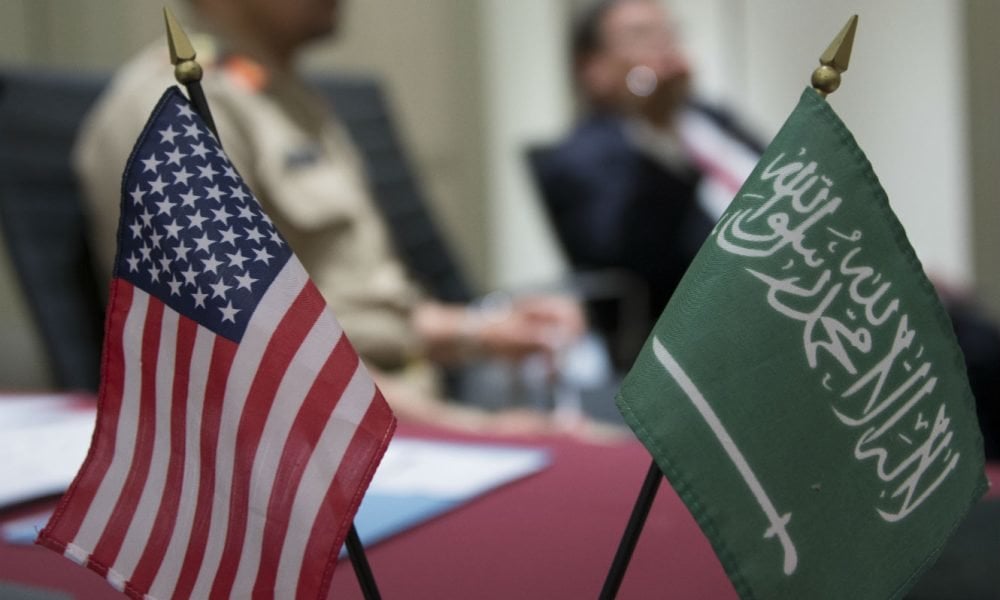
Wall Street Lowers a Risky Rift with Saudi Arabia
Rising tensions between Saudi Arabia and the US could translate into problems for American business interests and the economy is already tense about the Mid-term elections. President Trump said that Saudi Arabia could face very harsh consequences if their government is found to be responsible for Jamal Khashoggi’s death. Jamal, a resident of USA, was a journalist and a dissident Saudi, who was critical about the Kingdom and it’s ruling royal family. He was employed by and contributed articles to The Washington Post. Khashoggi entered the Saudi Arabian consulate in Istanbul on 2nd October to secure documents to marry his fiancée. The Saudi authorities who changed stories several times said that the journalist was killed in a ‘brawl’ which is said to have taken place inside the Istanbul consulate, a complete 180 of the earlier assertions made by the government that he left unharmed from the diplomatic facility over two weeks ago.
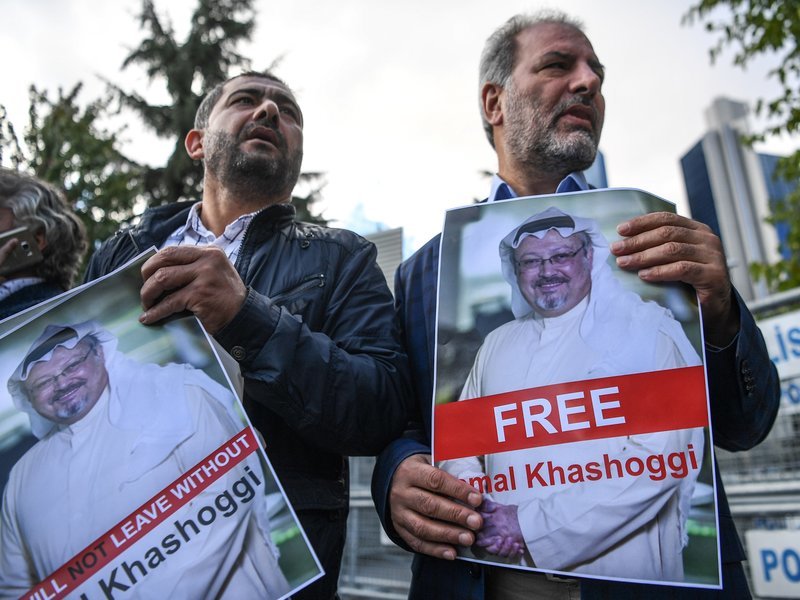
President Donald Trump accepted the official explanation as reliable and awaited results of further investigations before determining further steps to be taken. Others said the Saudi explanations defied credibility. If the US were to hit Riyadh with sanctions, the Middle Eastern countries have already threatened to exert their influence to hurt American consumers by making all efforts to push up oil prices sharply. They warn of siphoning day-to-day supply of crude oil from the market to make oil a costly commodity, raising it to $100-$200 per barrel, as opposed to the $70 per barrel being paid now. Oil at exorbitant levels for extended periods, experts say, could drive the global economy again into a period of recession.
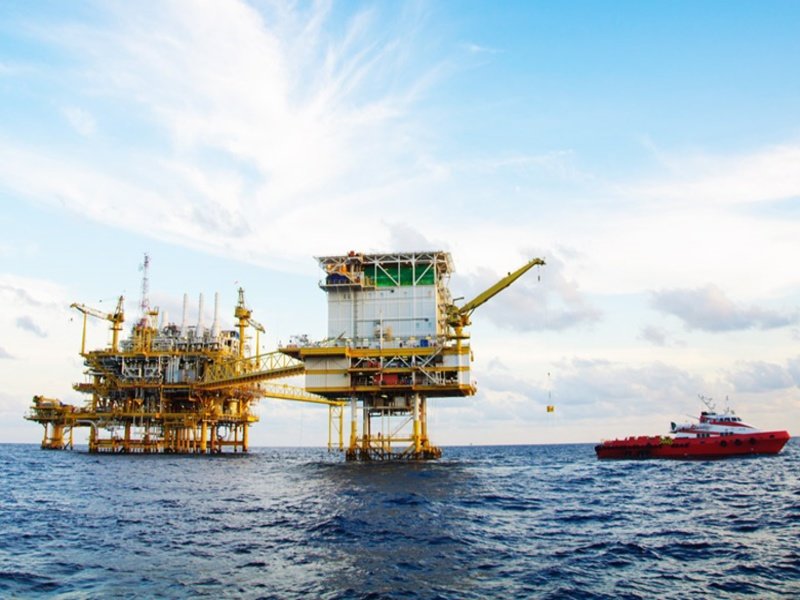
Riyadh would hesitate to disrupt the oil market as oil revenue drives the Saudi economy, damage their reputation as a dependable oil supplier. A Saudi move to limit production would force clients to seek other oil suppliers to raise output. This could further anger President Trump and damage the always strong US-Saudi ties. Near-term impairment to the world’s economy by Saudi Arabia could be dramatic, but the lasting damage they cause themselves and their very reputation could spell a disaster. Risks remain but the threat levels rise only if Saudi Arabia makes overly aggressive retaliatory responses.
Saudi retaliation may backfire
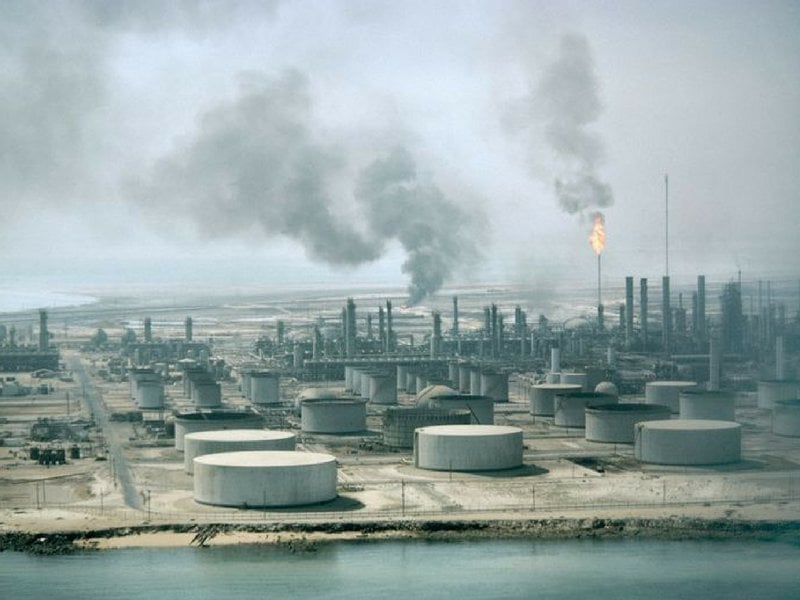
Saudi influence in the international oil market though considerable, has diminished since the 1970s when the Saudis and OPEC, brandished greater clout. In the period of 1973 to 1974, the OPEC embargo on oil caused US gas prices to increase more than twice over, hurtling the American economy into recession. About 100 nations now produce crude oil, with Saudi Arabia accounting for 13% of daily production, as per the data collected by the Energy Information Administration.

The US oil industry emerged as a key player and reduced Saudi oil dominance. US oil production (averaging 10.96 million barrels per day in July of 2018), now accounts for 12% of the planet’s daily output, as per EIA and US reliance on overseas-produced oil has decreased. Saudi imports for oil to the US are 9% of aggregate crude imports and in July 2018, US imported 876,000 barrels of crude oil from Saudi Arabia each day, down by 50% from 2008. Their influence has waned in terms of risks facing the American markets and the present Saudi crisis is relatively minor. Investors have to be more wary of an economic slowdown in People’s Republic of China, the swollen American budget shortfall and the enduring strong profitability of American companies.
Saudi retaliatory options
Saudi Arabia could punish USA beyond deploying the oil prices by dumping their capital invested in US government bonds, pull out of strategic investments in the US, and switch defense equipment purchases to China or Russia. The Saudis could punish CEOs and companies that did not attend the investment conference at Riyadh, causing American businesses to miss future prospects in Saudi Arabia, which is the 10th largest foreign holder of US Treasury Bonds ($169.5 billion as per US government data). Saudis disposing off their US Treasuries may not have a major bearing on US markets. Although, Russia did dramatically reduced its holdings of US Treasury bonds since January 2018, but it was without much impact. Saudi Arabia’s PIF or Public Investment Fund isn’t a major holder of US stocks and therefore, discarding shares to penalize US companies would not have any lasting or major impact.
More in Investments & Savings
-
`
 Pope Leo XIV Lashes Out at the Wealthy Elite for Living in a ‘Luxury Bubble’
In his first big teaching moment as pope, Leo XIV called out the world’s wealthy elite for living in what he...
October 24, 2025 -
`
 How Big Dividends Are Hiding Bigger Trouble for These S&P 500 Stocks
Dividends over 6%? Sounds like a dream. But in this market, it is usually a red flag. When a stock yields...
October 17, 2025 -
`
 Why Luxury EVs Failed
EVs were supposed to be the future. After all, they are cleaner, quieter, and packed with tech. But for Porsche and...
October 9, 2025 -
`
 Lucasfilm & Dark Horse Launch a Kickstarter for an Unseen Star Wars Manga Project
Star Wars just hit Kickstarter, and fans are scrambling to grab their piece of history. Lucasfilm, teaming up with Dark Horse...
October 2, 2025 -
`
 Why Rich Chinese Are Pulling Their Wealth Out of Singapore
Singapore has long been a favorite wealth hub for Chinese millionaires. But lately, the tide is turning. Wealthy Chinese families are...
September 25, 2025 -
`
 The Reality of Retirement Savings: Will You Use Up All Your Money?
Retirement sounds simple. Save money, quit working, and enjoy life. But in real life, retirement savings don’t always work out the...
September 19, 2025 -
`
 Jeff Bezos’ Advice on How to Become Rich As a Millennial
Jeff Bezos, the founder of Amazon and one of the richest people alive, didn’t stumble into wealth by accident. He played...
September 11, 2025 -
`
 Everything You Ought to Know About NAD+ Skincare
NAD+ is one of those buzzy skincare terms that sounds like science fiction. But it is real, and it is already...
September 5, 2025 -
`
 How Rob Zombie Crowdfunded His Horror Movie “31” With Wild Rewards
Rob Zombie didn’t wait around for a studio to greenlight his nightmare-fueled film “31”. Instead, he went straight to the fans....
August 27, 2025
More From Refinance Gold
-
 Alphabet Secures $20 Billion in Debt With Rare 100-Year Bond to Fund AI Infrastructure
Alphabet just made a bold financial move that caught the attention of Wall Street and the tech industry. Google’s parent company...
Investments & SavingsMarch 11, 2026 -
 London Designers Embrace Everyday Luxury and Lifestyle
Design coming out of London has started to feel more grounded lately. Rather than chasing dreamy concepts, many creatives are focusing...
Luxury & Life StyleMarch 6, 2026 -
 Japanese Manufacturers Crowdfund a Hopping Robot to Explore the Moon
Japanese space exploration is getting a boost from an unexpected place. It is not coming from a giant aerospace firm or...
Crowd FundingFebruary 26, 2026 -
 Investigators Discover Nearly 900 Nazi-Linked Accounts at Swiss Bank
The latest 2026 hearing before the U.S. Senate Judiciary Committee brought old ghosts back into the spotlight. Lawmakers revealed that investigators...
Top Bank AccountsFebruary 21, 2026 -
 Here’s What ‘Responsible Investment’ Means in 2026
Responsible investment in 2026 is no longer about labels or good intentions. It is about how money reacts to pressure in...
Investments & SavingsFebruary 12, 2026
You must be logged in to post a comment Login