

5 Practical Ways to Verify GoFundMe Legitimacy
Online fundraisers help people during medical emergencies, disasters, and personal crises. Millions of donors give money every year through GoFundMe because the platform makes it simple to support someone in need. However, scammers sometimes exploit that trust. They create emotional stories, add stolen photos, and hope generous people donate before asking questions.
GoFundMe runs a Trust and Safety system that reviews campaigns. The platform uses machine learning tools, internal checks, and human reviewers to catch suspicious activity. Even with those protections, fake pages still slip through. That reality makes one thing clear.
Read the Story Like a Skeptic
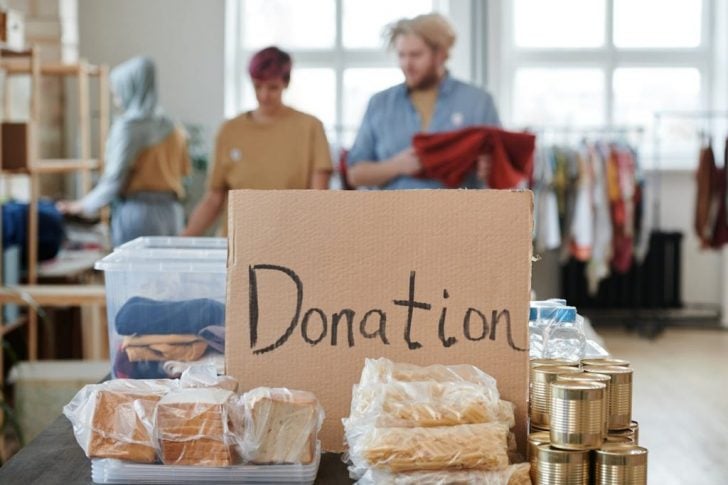
Julia / Pexels / A legitimate campaign explains the situation clearly and in detail. Take the story with a pinch of salt early on.
The organizer should describe what happened, why money is needed, and how the funds will help the person involved. Real stories include timelines, updates, and a clear explanation of the goal.
Likewise, you should also check the connection between the organizer and the person receiving the funds. Many campaigns are run by family members, close friends, or coworkers. That relationship should appear in the description. A page that avoids this detail or keeps the story vague deserves extra attention. Honest fundraisers rarely hide the basics of who they are helping and why.
Look for Real Community Support
A genuine fundraiser rarely exists in isolation. Friends, family members, and coworkers usually leave comments and words of encouragement. These messages often mention personal memories, prayers, or specific details about the person in need. That kind of interaction signals real community support behind the campaign.
Take a moment to scan the list of donors and comments. If you see thoughtful messages from people who clearly know the beneficiary, the fundraiser gains credibility. On the other hand, a campaign filled with generic comments or strange usernames deserves caution.
Investigate the Photos and Details
Photos often make a fundraiser feel real, but images can also be stolen. Scammers sometimes copy pictures from social media or other fundraisers to create fake campaigns. A quick reverse image search can reveal if the same photo appears elsewhere under a different name or story.
Small details can reveal a lot about a fundraiser. Make sure names, locations, and timelines are accurate. Errors could indicate copied or fraudulent campaigns, since scammers rarely get every fact right.
Reach Out Before You Give

Olly / Pexels / Clear communication with organizers is a sign of legitimacy.
A genuine organizer will respond promptly and provide the needed context. If the answers feel incomplete or evasive, it’s a sign to pause before donating.
Watch for ‘Behavioral Red Flags’
Certain patterns often appear in fraudulent campaigns. Some fundraisers contain misleading information about the beneficiary, including incorrect names, ages, or locations. Others impersonate real people by copying stories and photos from existing fundraisers. These tactics aim to create urgency before donors notice the inconsistencies.
Similarly, donation patterns can also reveal problems. Large numbers of contributions from the same person or donor names that appear random should raise suspicion. Another warning sign appears when someone asks you to process a refund outside of GoFundMe.
More in Crowd Funding
-
`
 New Crowdfunding Campaign Aims to Bring ‘Reliable Ice’ Back to Escanaba
Escanaba residents could soon see the return of outdoor skating at Ludington Park, and this time, warm winters will not get...
May 17, 2026 -
`
 Russian Billionaires Wealth Surge Despite Sanctions, New Analysis Shows
Sanctions were meant to squeeze Russia’s elite, but the latest numbers tell a different story. According to Forbes Russia, the total...
May 10, 2026 -
`
 Americans Plan to Save Their 2026 Tax Refunds, but Most Will Stash the Cash in Low-Interest Accounts: Report
Americans are walking into the 2026 tax season with a clear goal. They want to save more money, and they see...
May 1, 2026 -
`
 “Time is the Real Flex,” and ‘Luxury Wellness’ Means Slowing Down on Purpose, Says Jonathan Boynton
The idea of luxury has changed, and Jonathan Boynton-Lee is calling it out in plain terms. In a recent interview with...
April 25, 2026 -
`
 The Decline of Startup Funding. What’s Driving It?
The Regulation Crowdfunding market just hit a rough patch, and the numbers tell a clear story. In Q1 2026, total capital...
April 19, 2026 -
`
 Wealthy Elites are Going Big to Help “De-extinct” Wildlife
For most of the 20th century, conservation followed a familiar path. Governments led the charge, backed by treaties and public funding....
April 12, 2026 -
`
 Having No Savings Is Actually More Dangerous Than Carrying Debt, Here’s Why
Most people assume debt is the worst financial position to be in. That belief feels logical because debt comes with interest,...
April 5, 2026 -
`
 Indian Tycoon Nirmal Jain Places His Biggest Bet on the Country’s Wealth Management Boom
India’s wealth market is heating up, and billionaire investor Nirmal Jain wants a bigger share of it. The founder of IIFL...
March 19, 2026 -
`
 Alphabet Secures $20 Billion in Debt With Rare 100-Year Bond to Fund AI Infrastructure
Alphabet just made a bold financial move that caught the attention of Wall Street and the tech industry. Google’s parent company...
March 11, 2026
More From Refinance Gold
-
 Prada Just Opened an 8-Floor Milan Wonderland With a Secret Underground Passage
Prada has turned its historic Milan home into something much bigger than a luxury store. The newly opened Prada Galleria stretches across...
Luxury & Life StyleOctober 10, 2026 -
 Can ‘Average’ Millennials Retire As Millionaires?
A million-dollar retirement account can sound wildly ambitious when your current 401(k) balance has only five digits. For many millennials, though,...
Top Bank AccountsSeptember 26, 2026 -
 Why the New Generation of Renters Is Ditching Homeownership and Investing in the Stock Market
For generations, buying a home marked a major step toward financial security in America. Younger Americans are starting to question that...
Investments & SavingsSeptember 19, 2026 -
 This Rare, Two-Home Oceanfront Estate in Maui Hits the Market for $45 Million
Finding a private oceanfront home on Maui already takes serious money and patience. Finding two neighboring homes that form one sprawling...
Luxury & Life StyleSeptember 12, 2026 -
 Why Genki’s Crowdfunded Genki Manta Is Its “Most Ambitious Product” Ever
Genki is taking a much bigger swing at gaming hardware with the Genki Manta, a feature-packed pro controller now seeking funding...
Crowd FundingSeptember 4, 2026
You must be logged in to post a comment Login